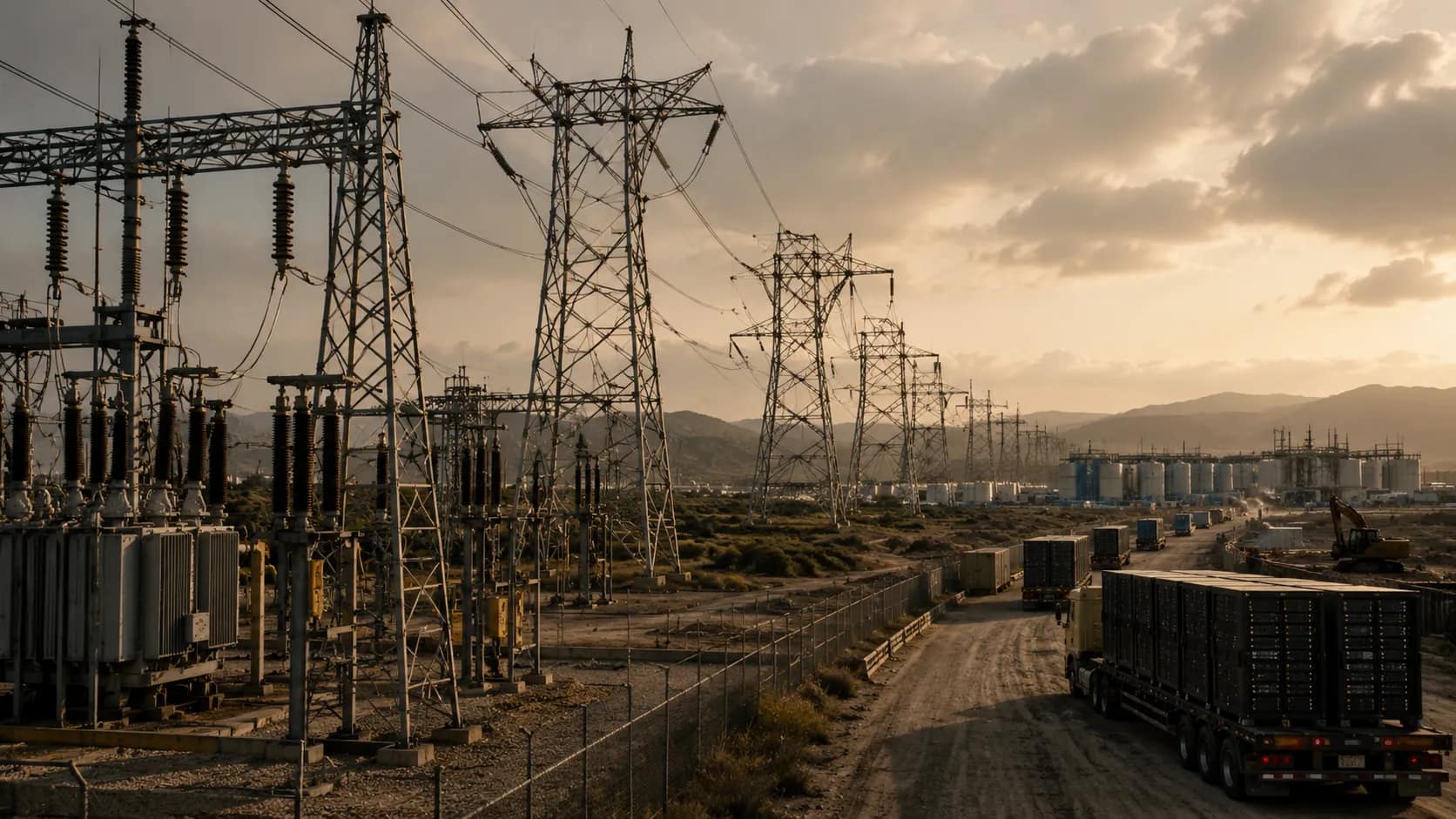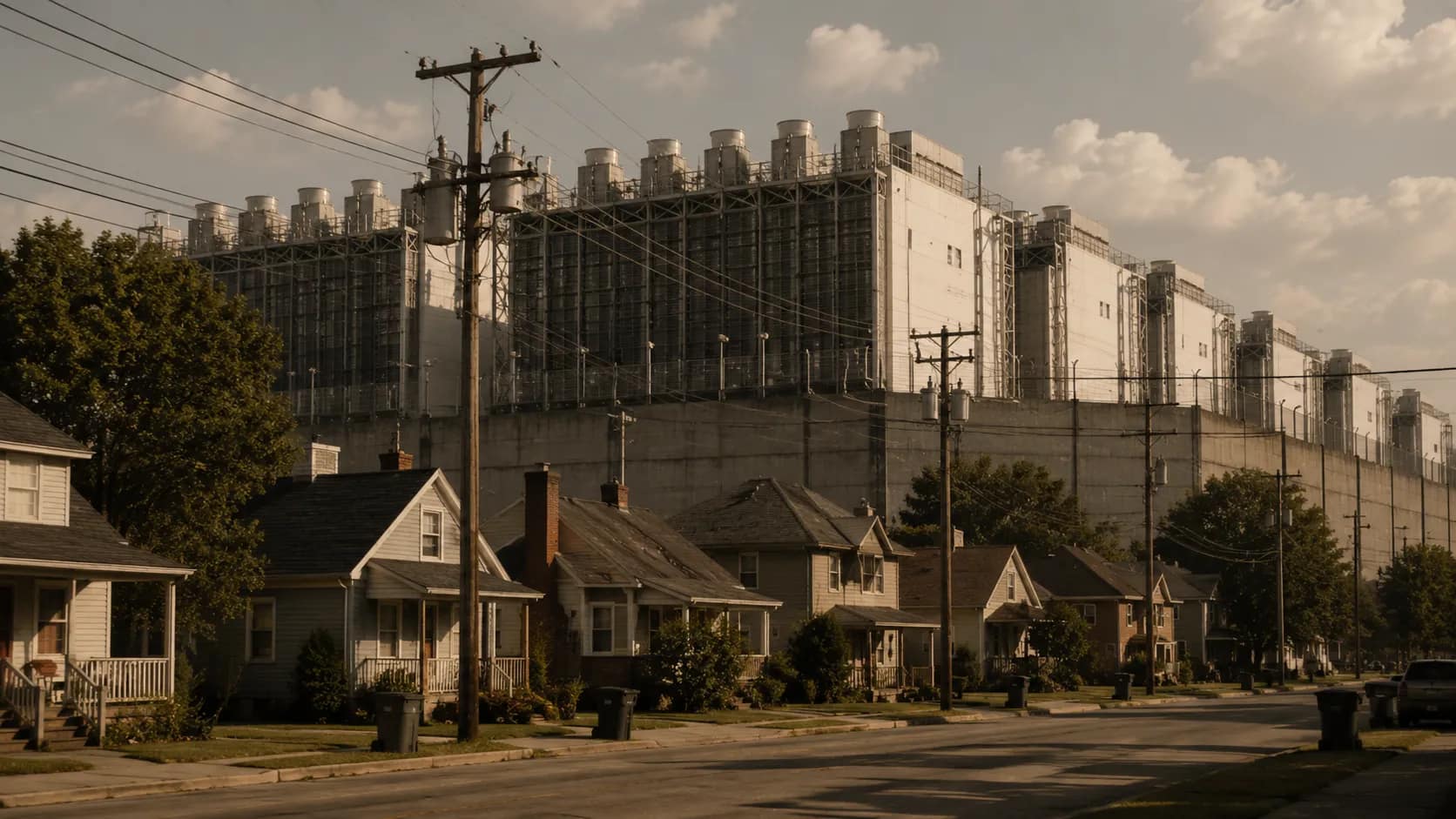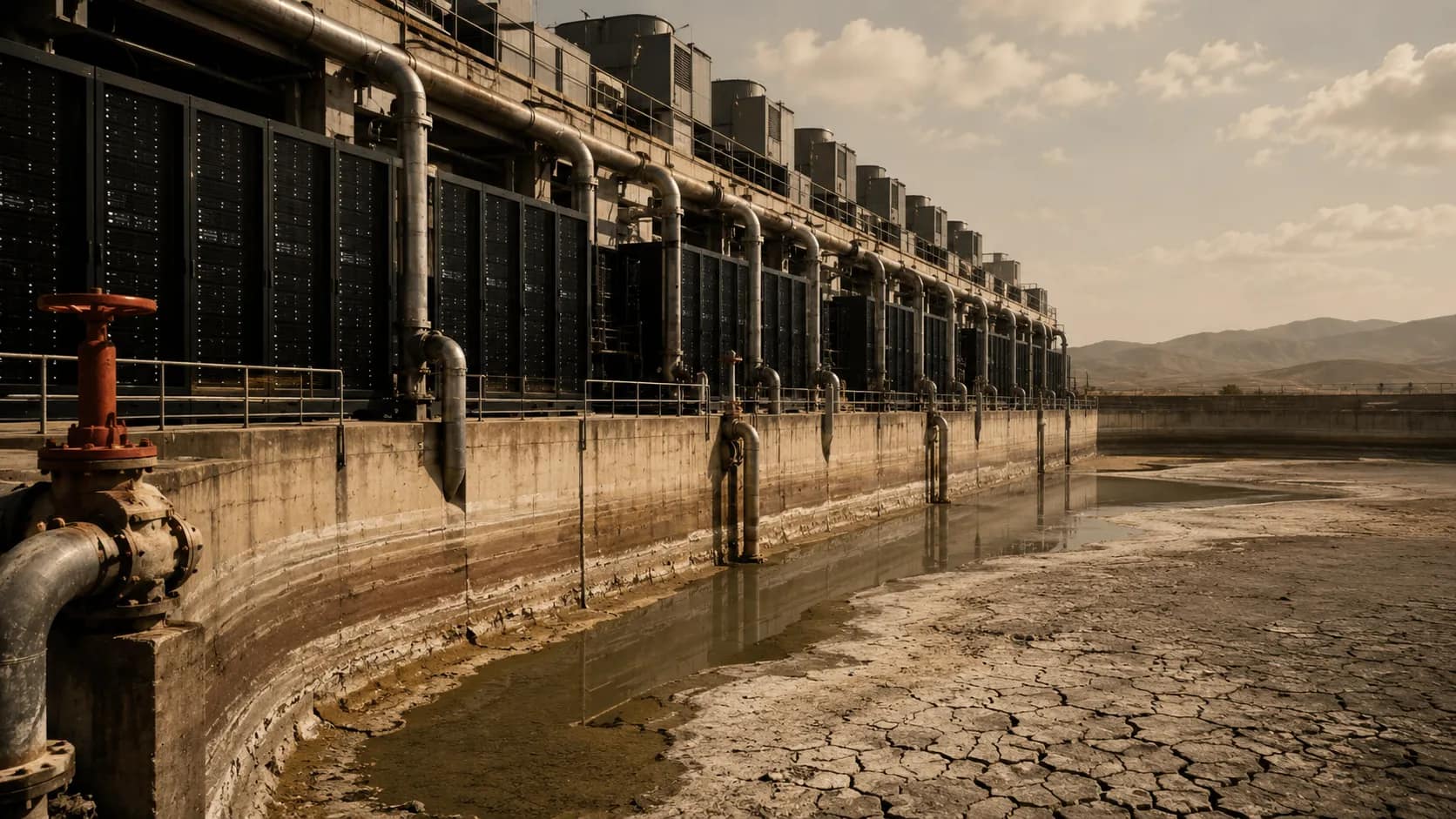
AI infrastructure has a water risk because computing capacity is physical. Servers generate heat, cooling systems consume resources, electricity production can require water, and data centers compete with households, agriculture, industry, and ecosystems inside specific watersheds.
Corporate boards often receive enterprise-wide sustainability totals that obscure the local operating question: how much water does this facility require, during which season, from which source, under what shortage rules, and who bears the cost when conditions change?
Water use depends on cooling architecture
Data centers can use several cooling approaches, including air cooling, evaporative systems, liquid cooling, closed-loop designs, and combinations adapted to local climate and hardware density.
No method is universally superior. Tradeoffs involve:
- Direct water use.
- Electricity consumption.
- Capital cost.
- Maintenance.
- Climate suitability.
- Hardware density.
- Reliability.
- Waste-heat management.
A design that reduces on-site water may increase electricity demand, potentially moving water or environmental impact into the power system.
Boards should evaluate the complete resource profile rather than one isolated efficiency metric.
Annual totals hide seasonal stress
A facility may report moderate annual water consumption while using the most water during the hottest and driest months, when community demand is also high.
Risk analysis should examine:
- Monthly consumption.
- Peak-day use.
- Drought restrictions.
- Local reservoir conditions.
- Groundwater trends.
- Emergency cooling requirements.
- Competing municipal demand.
The same volume has different consequences in a water-abundant region and a stressed watershed.
Location-specific analysis is therefore more useful than company-wide averages.
Water source determines the social and operational risk
A data center may use potable municipal water, reclaimed wastewater, industrial water, groundwater, or another source.
The source affects:
- Reliability.
- Treatment needs.
- Public acceptance.
- Competition with households.
- Infrastructure cost.
- Legal rights.
- Environmental impact.
Using reclaimed water can reduce pressure on drinking-water systems, but it may require dedicated pipelines and backup arrangements.
Groundwater can appear reliable while aquifers decline over time. Municipal contracts can provide access but still allow restrictions during emergency conditions.
Power creates an indirect water footprint
Electricity generation can consume water through cooling, fuel extraction, or other processes. A data center's total water exposure therefore extends beyond its property boundary.
The indirect footprint depends on:
- Regional generation mix.
- Time of electricity use.
- Contracted resources.
- Grid conditions.
- Backup generation.
A facility shifting workloads to a different hour or region may change both energy and water impact.
Boards should ask whether water reporting includes only direct consumption or also material exposure through power supply.
Contracts can conceal shortage exposure
Water agreements should be reviewed with the same seriousness as power contracts.
Relevant terms include:
- Maximum allocation.
- Priority during drought.
- Price escalation.
- Curtailment rights.
- Infrastructure contributions.
- Reporting.
- Expansion capacity.
- Emergency supply.
- Termination.
A long-term contract does not guarantee physical availability under every condition.
Companies should stress-test whether the facility can continue operating if the primary water source is restricted or becomes politically contested.
Community legitimacy affects project continuity
A technically permitted project can still face opposition if residents believe the facility receives privileged access to scarce water while providing limited local benefit.
Responsible development requires transparency about:
- Expected consumption.
- Source.
- Seasonal patterns.
- Conservation measures.
- Employment.
- Infrastructure contributions.
- Emergency priorities.
- Public reporting.
Companies should engage communities before decisions appear irreversible.
Trust can influence permitting, expansion, utility negotiations, and the durability of the project's social license.
AI growth can increase density and cooling complexity
Advanced accelerators concentrate more computing power and heat inside each rack. Higher density can improve land and infrastructure efficiency but require more sophisticated cooling.
Design decisions should consider:
- Rack density.
- Liquid-cooling compatibility.
- Retrofit requirements.
- Equipment lifetime.
- Leak detection.
- Water quality.
- Heat reuse.
A facility optimized for one generation of hardware may require significant changes as accelerator design evolves.
Water and cooling should be part of technology-roadmap planning rather than a fixed facility assumption.
Boards need facility-level water metrics
Useful metrics may include:
- Direct water consumption.
- Consumption by source.
- Peak seasonal demand.
- Water-use effectiveness.
- Recycled-water share.
- Local watershed stress.
- Backup duration.
- Cost under shortage scenarios.
Metrics should be connected to operating thresholds. Reporting a number without defining when management must act provides limited governance value.
The board should know which facilities face the greatest local risk and which expansion plans depend on unconfirmed water infrastructure.
Workload flexibility can reduce exposure
Some AI workloads can move between regions or time periods. Training, batch evaluation, and background processing may be more flexible than real-time inference.
A water-aware scheduling strategy can consider:
- Seasonal conditions.
- Cooling efficiency.
- Electricity mix.
- Data-residency limits.
- Network cost.
- Customer latency.
Workload movement is not a substitute for responsible facility design. It can provide another resilience tool when resources become constrained.
The company should test whether applications can actually move rather than assuming theoretical portability.
Investment decisions should compare resource alternatives
A site-selection process should evaluate more than land price, tax incentives, power availability, and network connectivity.
It should compare:
- Long-term water supply.
- Drought priority.
- Cooling options.
- Community impact.
- Infrastructure cost.
- Expansion limits.
- Climate exposure.
- Operational alternatives.
A location with cheaper electricity may carry higher water or political risk. Another may require more capital initially but provide stronger long-term resilience.
AI infrastructure has a water risk because capacity decisions convert software demand into permanent local resource commitments. Boards should price that exposure before approving sites and contracts, not after the facility becomes dependent on a contested supply.
This story follows ourEditorial Policy. Something wrong?Report a correction.
FREQUENTLY ASKED
Water use varies by cooling design, climate, hardware density, electricity source, and operating pattern. Some facilities use substantial direct water, while others reduce on-site consumption but may use more electricity. Risk should be evaluated at the specific site and system level.
Annual totals can hide high consumption during hot or dry periods when community demand and scarcity are greatest. Boards need monthly and peak-use data, water source, drought priority, local watershed conditions, and the facility's ability to operate during restrictions.
Reclaimed water can reduce competition with drinking-water supplies, but it does not eliminate infrastructure, reliability, environmental, or emergency-backup questions. Companies should explain the source, treatment, pipelines, seasonal availability, and what happens if reclaimed supply is interrupted.
Flexible training, batch processing, and evaluation jobs may be moved to regions or periods with more efficient cooling and lower resource stress. The strategy must account for data residency, latency, network cost, and whether the application is genuinely portable.